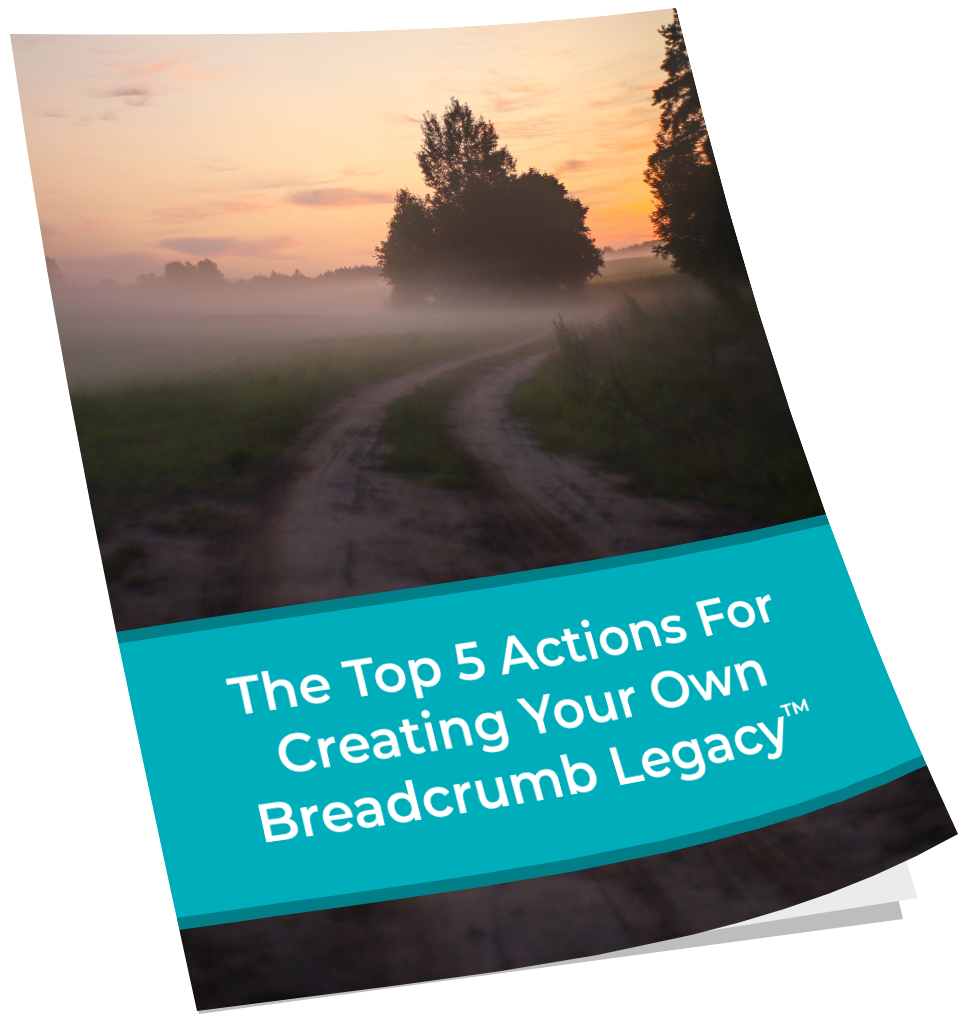
 Sign Up and Download Your FREE Copy of The Top 5 Actions For Creating Your Own Breadcrumb Legacy™

For many people, retirement is viewed as a long-awaited finish line. After decades of work, responsibilities, deadlines, and commitments, retirement offers freedom and flexibility. Yet once the celebrations end and the routines disappear, many retirees discover an unexpected challenge: finding purpose in retirement.

I have spent years studying leadership, transitions, and what it means to live a meaningful life. One lesson continues to emerge. Purpose does not retire.
The desire to contribute, learn, connect, and make a difference remains with us throughout our lives. In fact, retirement can provide a unique opportunity to redefine your life purpose and create a chapter that is every bit as meaningful as the ones that came before it.
Why Retirement Can Feel Disorienting
For decades, many of us answer the question “Who are you?” by describing what we do.
We are teachers, business owners, healthcare professionals, accountants, parents, executives, or community leaders. Our work often provides structure, identity, relationships, and a sense of accomplishment.
When retirement arrives, that familiar framework changes. Suddenly, there is no office to visit, no schedule to follow, and no clear definition of success. Some people welcome the change immediately. Others experience a sense of loss or uncertainty.
This transition is normal.
Retirement is not simply leaving a job. It is moving from one of life’s significant transitions into another. It is the beginning of a new chapter, and every new chapter requires adjustment.
The key question becomes: What will give your life meaning now?
Finding Purpose in Retirement Starts with Reflection
Many people assume purpose arrives through a major commitment or life-changing decision. In reality, finding purpose in retirement often begins with reflection.
Ask yourself:
- What activities make me lose track of time?
- What problems do I enjoy helping solve?
- When do I feel most alive?
- What strengths do others consistently recognize in me?
- What lessons have I learned that could benefit someone else?
The answers may reveal interests that have been waiting patiently in the background while career and family responsibilities occupied center stage.
Retirement offers something many people have lacked for years: the opportunity to choose intentionally rather than react constantly.
Instead of asking, “What should I do?” consider asking, “Who do I want to become in this next chapter?”
Purpose Comes from Contribution
One of the greatest misconceptions about retirement is that purpose comes from staying busy.
Being busy and being purposeful are not the same thing. Filling our time is not the same as spending our time in fulfilling ways.
Purpose often grows from contribution. It comes from knowing your actions matter to someone or something beyond yourself.
For some retirees, that contribution takes the form of mentoring younger professionals. Others volunteer with nonprofits, churches, schools, or community organizations. Some become caregivers, advocates, coaches, or lifelong learners.
Research from the National Institute on Aging suggests that having a strong sense of purpose may contribute to better overall well-being, healthier aging, and even add years to your life. Purpose does not have to be grand or public. Sometimes it is found in small, consistent acts of service that create meaningful impact over the long term.
The question is not, “How important is my role?”
The question is, “Does this work align with my values and bring meaning to my life?”
The Importance of Social Connections
One of the most overlooked aspects of retirement is the role of relationships.
Many people underestimate how much of their social life was connected to work. Colleagues, clients, customers, and professional networks often provide regular interaction and a sense of belonging.
Without intentional effort, those connections can fade.
Strong social connections are consistently associated with greater happiness, improved health, and increased life satisfaction among older adults. Relationships provide support during difficult times and amplify joy during good times.
Retirement is an excellent time to deepen existing friendships and build new ones.
Consider joining:
- Volunteer organizations
- Book clubs
- Faith communities
- Civic groups
- Educational programs
- Fitness classes
- Hobby organizations
Purpose flourishes when it is shared with others.
We are not meant to navigate life’s transitions alone.
Explore New Possibilities Through Learning
One of my favorite words is curiosity.
Curiosity keeps us growing. It reminds us that every stage of life offers opportunities to learn something new.
Too often, society treats retirement as a period of winding down. I prefer to think of it as a period of discovery.
Perhaps there is a language you have always wanted to learn. A musical instrument. A writing project. A travel experience. A certification program. A creative endeavor.
Learning stimulates the mind and creates opportunities for engagement, growth, and connection.
The most fulfilled retirees I know continue asking questions. They remain open to new experiences and embrace the idea that wisdom and learning can coexist.
The goal is not to become an expert at everything.
The goal is to remain engaged with life.
Consider Part Time Work with Purpose
For some individuals, part time work can provide a meaningful bridge between a full-time career and complete retirement.
The key is choosing work that aligns with your interests, values, and desired lifestyle.
Part time work may involve consulting, teaching, mentoring, nonprofit leadership, seasonal employment, or pursuing a passion project that was previously impossible due to time constraints.
Notice that none of these options are primarily about staying busy.
They are about staying connected, contributing your talents, and maintaining a sense of purpose.
Your years of experience represent a valuable resource. Retirement may create new opportunities to share that wisdom in ways that are both meaningful and flexible.
Don’t Forget the Role of Physical Activity
Purpose and well-being are deeply connected.
While purpose is not dependent on physical fitness, maintaining physical activity can support your ability to pursue the activities that matter most.
Walking with friends, gardening, swimming, hiking, dancing, yoga, or other forms of movement can contribute to both physical and emotional health.
Physical activity also creates opportunities for connection and community.
More importantly, it helps preserve the energy needed to engage fully in life.
Retirement is not about slowing down by default. It is about choosing where to invest your time, energy, and attention.
Every Chapter of Life Has Purpose
I often talk about life as a series of chapters. These chapters of life shape who we become and influence what gives us meaning and purpose.
Some chapters focus on education. Others focus on career, family, caregiving, leadership, or personal growth.
Retirement is not the final chapter. It is simply another chapter.
And like every chapter that came before it, it offers opportunities to learn, contribute, connect, and grow.
The challenge is not finding a purpose that someone else has designed for you.
The challenge is discovering what purpose looks like now.
Your purpose at 65 may look different than it did at 35.
Your purpose at 75 may differ from your purpose at 55.
Perhaps one of the greatest gifts of retirement is the opportunity to reconsider what matters most. The goals and responsibilities that shaped earlier chapters of life may no longer define your days. That creates space to explore new interests, deepen relationships, and contribute in different ways. Purpose is not something we find once and keep forever. It evolves as we do, inviting us to continue growing, learning, and serving throughout our lives.
That is not a sign of failure. It is evidence that you are evolving.
Meaningful lives are not built by clinging to old identities. They are built by remaining open to what each stage of life has to teach us.
The Opportunity Ahead
Retirement provides something many people spend decades seeking: the freedom to align daily life with personal values.
Rather than viewing retirement as an ending, consider viewing it as an invitation.
An invitation to explore new interests.
An invitation to strengthen relationships.
An invitation to serve others.
An invitation to deepen your sense of purpose.
Most importantly, it is an invitation to continue becoming the person you are meant to be.Every chapter of life offers an opportunity to grow, contribute, and create a meaningful legacy. If you’re ready to discover what purpose looks like in this next chapter, contact Jann Freed and start the conversation.